Concreter in Cairns
Expert concreting and site prep for strength and lasting performance.
Reliable Foundations, Seamless Results
When precision and durability matter, Sun Co Concrete And Construction delivers expert concreting solutions tailored to both residential and commercial needs. As a fully insured concreter, licensed general contractor and Master Builders QLD Member (Licence No. 096786), we combine practical experience with a commitment to quality on every pour and prep.
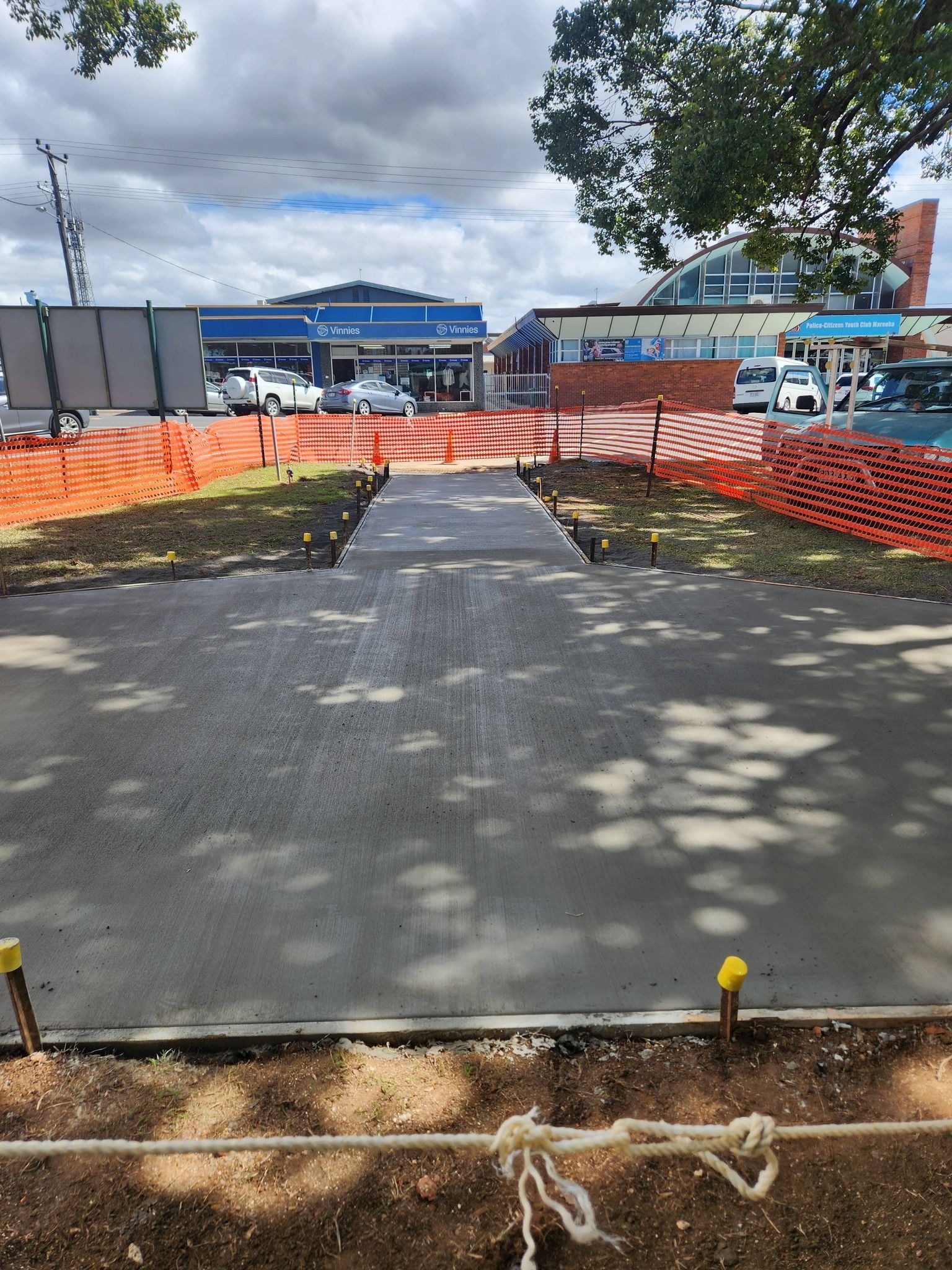
Our team completes house slabs, commercial flooring, specialty concreting and civil site preparation across Cairns, Mareeba, Dimbulah, Atherton and the Tablelands and nearby areas. We’re trusted for our reliable scheduling, thorough groundwork and clean, consistent finishes. Whether you’re building new, expanding, or upgrading foundations, we work closely with you to meet your project goals.
To speak with a local concreter who brings skill and structure to every job, call 0412 284 408.
What to Expect
We take pride in building solid foundations for homes, businesses and developments:
- Concrete slabs for houses and sheds are poured with care and exacting standards.
- We install high-performance commercial flooring designed to withstand demanding environments.
- Specialty work includes driveways, pathways, patios and feature concreting tailored to your site.
- Civil works are completed with the right prep, machinery and method for lasting results.
- Our experienced team ensures each site is properly graded, levelled and compacted before the pour.
- Projects are completed efficiently, with clear communication and minimal disruption.
- We understand the region’s soil and climate, ensuring each job is suited to local conditions.
- Quotes are provided at no cost, helping you plan with accuracy and confidence.
Call Sun Co Concrete And Construction today to get started on your next concreting or civil works project.
Licensed & Insured
Quality Craftsmanship
End-to-End Solutions
Get a Free Quote
Enter your details and we'll get back to you as soon as possible.
Contact Us
Thank you for contacting Sun Co Concrete And Construction.
We will get back to you as soon as possible.
Please try again later.
FAQ
Why is site preparation so important before pouring concrete?
Site preparation plays a major role in concrete performance because concrete relies on a stable base. Preparation typically involves excavation, removing unsuitable material, compacting a base layer and setting correct levels and falls. Drainage planning often forms part of this stage, as water movement can cause erosion, shifting and cracking over time. Formwork and reinforcement are also installed during preparation to support structural strength. When preparation is rushed or incomplete, the slab may settle unevenly, crack prematurely or hold water in unwanted areas. Proper preparation helps distribute loads evenly, supports durability and improves the final finish. It also reduces the risk of costly repairs and extends the lifespan of the concrete.
How long does concrete take to cure, and when can it be used?
Concrete begins to set within hours, but curing is a longer process where strength develops over time. Many mixes allow light foot traffic after a day or two, but heavier loads usually require a longer wait. Concrete typically gains most of its strength within the first week and continues curing for several weeks. Weather conditions affect curing, as heat, wind and low humidity can cause rapid moisture loss and lead to cracking. Proper curing methods, such as keeping the surface moist or using curing compounds, support better long-term performance. Following recommended curing times helps prevent damage, improves strength and reduces surface defects as the concrete hardens.
What causes concrete to crack, and is it always a problem?
Concrete can crack for several reasons, including shrinkage during curing, ground movement, poor base preparation, inadequate reinforcement or rapid moisture loss. Some fine cracking can occur naturally as concrete cures and does not always indicate a structural issue. Wider cracks, uneven settlement or cracking accompanied by movement can signal a deeper problem, often linked to base instability or drainage. Good preparation, reinforcement placement and control joints help manage where cracks form and reduce their impact. Correct curing also helps limit shrinkage cracking. Understanding the type, width and location of cracking helps determine whether it is cosmetic or needs attention to prevent further deterioration.